Tag: eggs

Cheddar Egg Bake With Spinach

Cheddar egg bake with spinach cut into squares, one on a small plate in a shallow bowl.

Nutrition Snapshot

  • About 21 grams of protein in one small square, from eggs, cottage cheese, and cheddar.
  • About 285 calories in that same square, most of it from the cheese and the eggs, so a few bites carry a lot.
  • The trade-off: cheese makes this a higher-fat, higher-sodium dish. That is by design for someone eating very little, and the card shows the amounts.

Eggs whisked with cottage cheese and milk, poured over thawed spinach and shredded sharp cheddar, and baked in a square pan until just set. It cuts into six soft squares that keep in the refrigerator for four days and in the freezer for two months. One square reheats in the microwave in about a minute.

The texture is soft and moist all the way through, more like a savory custard than a frittata, and the flavor is mild: cheddar, a little onion, spinach, and pepper. Nothing sharp, nothing spicy.

Why This Egg Bake Is Great When Appetite Is Small

During an illness or a course of treatment, two things happen at once. The body needs more protein than usual to repair tissue and fight infection, and appetite falls, sometimes to a few bites a meal. A plate of plain food cannot close that gap, because the person cannot eat enough of it.

The answer is to put more nutrition into every bite. Eggs, cheese, cottage cheese, whole milk, nut butter, and olive oil all raise protein and calories without raising the amount of food on the fork. A square of this egg bake a little larger than a deck of cards carries about 21 grams of protein, roughly what a person would get from a full plate of eggs and toast.

Every Ingredient Is Doing Two Jobs

The eggs are the base and about half the protein. The cottage cheese is stirred into the eggs, where it disappears, and adds protein while keeping the texture soft. The cheddar adds protein, calories, and most of the flavor. Whole milk instead of water does the same on a smaller scale.

The spinach is there for iron, folate, and color, and because a small amount of vegetable is easier to eat when it is baked into something soft. How to fortify other everyday foods the same way, and how much protein a day of illness calls for, is in Protein Density: Eating Enough When Appetite Is Small.

Make It on a Good Day

Fatigue is as much a barrier to eating as appetite. This is a recipe for a good day, or for a friend to make: fifteen minutes of work, then the oven does the rest. Cut it into squares while it is warm, cool it, and store the squares in a single layer.

On a hard day, one square goes from the refrigerator to the microwave to the plate in about a minute, with no cooking smell to face. Frozen squares reheat in about two minutes.

Soft, Mild, and Not Too Hot

For a sore mouth or a changed sense of taste, serve the square warm rather than hot, and skip the black pepper. A spoon of plain yogurt or sour cream on top adds moisture and a little more protein. For a metallic taste, the sharpness of the cheddar helps; use extra-sharp.

Cheddar egg bake with spinach cut into squares, one on a small plate in a shallow bowl.
Print Recipe
No ratings yet

Cheddar Egg Bake With Spinach

Eggs, cottage cheese, sharp cheddar, and frozen spinach baked into soft squares that reheat in a minute. About 21 grams of protein in one square.
Prep Time15 minutes
Cook Time35 minutes
Total Time50 minutes
Course: Breakfast, lunch
Cuisine: American
Keyword: cheddar egg casserole, egg bake, high protein breakfast, make ahead breakfast, soft food
Servings: 6 square
Calories: 285kcal

Equipment

  • 8-inch square baking dish
  • Whisk

Ingredients

  • 8 large eggs
  • 1 cup 2 percent cottage cheese
  • 1/2 cup whole milk
  • 1 package (10 ounces) frozen chopped spinach thawed and squeezed dry
  • 1 1/2 cups shredded sharp cheddar cheese (6 ounces)
  • 1/4 cup finely chopped onion
  • 1 tablespoon butter for the dish
  • 1/4 teaspoon salt
  • black pepper to taste

Instructions

  • Heat the oven to 350 degrees F. Butter an 8-inch square baking dish.
  • Squeeze the thawed spinach in your hands or in a clean towel until no more water comes out. Spread it over the bottom of the dish with the chopped onion and 1 cup of the cheddar.
  • In a bowl, whisk the eggs with the cottage cheese, milk, salt, and pepper until blended; small curds of cottage cheese are fine.
  • Pour the eggs over the spinach and cheese. Scatter the remaining 1/2 cup cheddar on top.
  • Bake 30 to 35 minutes, until the center is set and no longer jiggles and the top is lightly golden. Cool 10 minutes before cutting into 6 pieces.
  • Refrigerate up to 4 days or freeze up to 2 months. Reheat one square in the microwave for about 1 minute from the refrigerator, or 2 minutes from frozen.

Notes

For more calories in the same square, whisk 2 tablespoons of olive oil into the eggs or use 4 percent cottage cheese. For a sore mouth, leave out the pepper and serve warm rather than hot. Lower-sodium version: use no-salt-added cottage cheese and skip the added salt. Frozen broccoli, thawed and chopped small, can replace the spinach.

Nutrition

Calories: 285kcal | Carbohydrates: 6.6g | Protein: 21g | Fat: 20g | Saturated Fat: 9.6g | Sodium: 552mg | Potassium: 309mg | Fiber: 1.5g | Sugar: 3.4g | Calcium: 362mg | Iron: 2mg | Magnesium: 52mg | Phosphorus: 355mg | Choline: 220mg

Gluten Free

Eggs, cheese, cottage cheese, milk, and spinach are naturally free of gluten, and this recipe uses no flour or bread. For people with celiac disease, check the shredded cheddar label, since a few brands dust shredded cheese with wheat starch to keep it from clumping; a block of cheddar shredded at home avoids the question. People who avoid gluten by preference can use any shredded cheese.

Go deeper


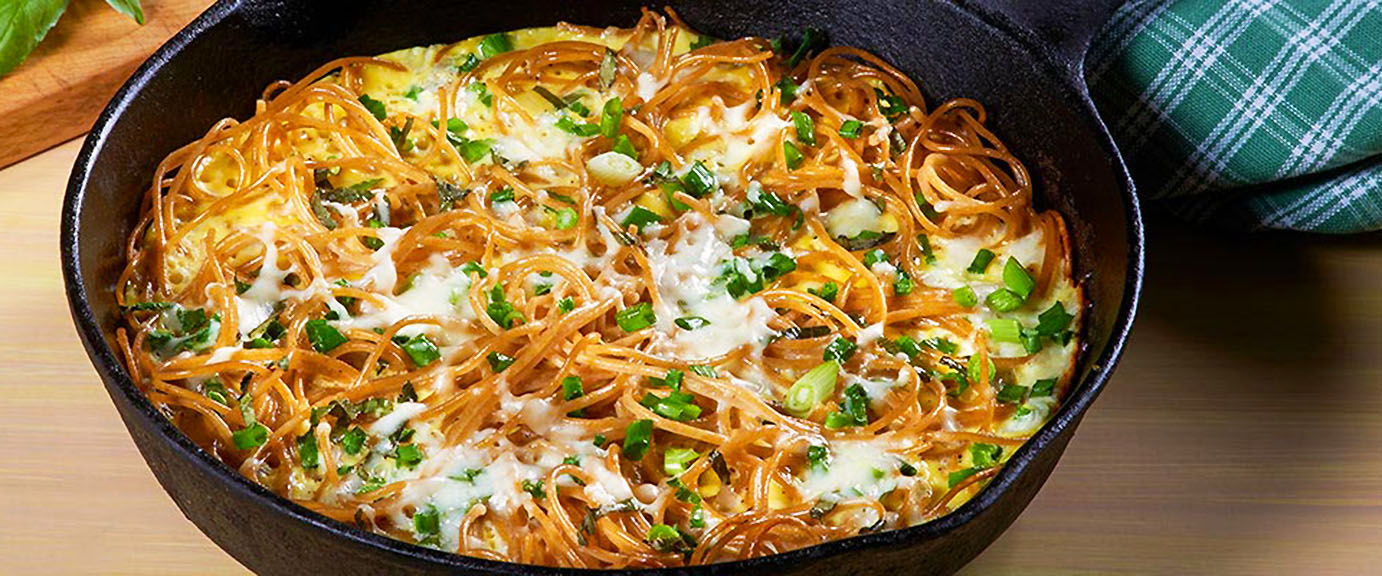
Basil Spaghetti Frittata for a Blood-Sugar-Friendly Breakfast

Nutrition Snapshot

  • Whole wheat pasta and egg protein digest slowly together, so this frittata fits a blood-sugar-friendly eating pattern.
  • A wedge carries 20 grams of protein, from the eggs and whites, the cheese and milk, and the pasta itself.
  • Sodium sits near 490 milligrams a wedge once the dish is seasoned, so use the lighter salt option if you are watching it.

Cook a little extra pasta at dinner and breakfast is most of the way done. Two and a half cups of cooked whole wheat spaghetti go into a skillet with eggs, basil, and green onion, and about twenty minutes later you have four wedges. Eat one warm at breakfast, or pack one cold for lunch with a salad.

Whole Grains and Egg Protein Together Slow the Rise in Blood Sugar

The Pasta Itself Digests Slowly

Pasta behaves differently from most starchy foods. The dough is dense, and the protein network in it traps the starch granules, so the starch breaks down more gradually than the starch in bread does. Whole wheat spaghetti adds to that, since it keeps the bran and germ that white pasta loses. The portion size is what drives most of the blood sugar response to a pasta meal.

Cooled Pasta Changes Again

This recipe is built on pasta cooked the night before, and the chilling does something useful. Some of the starch recrystallizes as it cools into resistant starch, which passes through the small intestine largely undigested and feeds the bacteria in the colon instead. It behaves more like fiber than like starch. Reheating in the skillet keeps part of that change.

Protein Slows the Stomach

A wedge carries 20 grams of protein, from the eggs and egg whites, the mozzarella and milk, and the spaghetti itself. Protein and fat in the same meal slow how quickly the stomach empties. The carbohydrate then reaches the bloodstream more gradually, and blood sugar rises more gently than it would after a bowl of pasta alone.

What the Yolks Add

The eggs bring more than protein. The yolks supply choline, which the body uses to build cell membranes and the signaling molecule acetylcholine, along with vitamin D and the eye pigments lutein and zeaxanthin. The two extra whites raise the protein with almost no added fat.

What’s in a Serving

A serving is one wedge, a quarter of the skillet. Most of the carbohydrate comes from the spaghetti, about 26 grams of it, and the whole wheat version brings fiber along with it. Protein comes to 20 grams, and it arrives from four places: the eggs and whites, the mozzarella, the milk, and the pasta.

Sodium comes to about 490 milligrams a wedge. Roughly 280 of that is the half teaspoon of salt, and the rest arrives with the eggs and the mozzarella in about equal shares. A quarter teaspoon of salt instead brings the wedge down near 350. Calcium comes to about 178 milligrams, and the fat is moderate.

What to Buy

The Whole Wheat Spaghetti

Look for whole wheat or whole grain as the first word on the ingredient line rather than enriched or multigrain, which can still be mostly refined flour. Buy organic (to avoid glyphosate), since wheat is one of the crops often sprayed to dry the field before harvest, and organic growing does not allow it. Leftover spaghetti chilled overnight is the best version to use here.

The Eggs and Egg Whites

Large eggs are the size the recipe card is built on. If you keep a carton of liquid egg whites in the refrigerator, two tablespoons stand in for each white and save you separating eggs.

Salt and Lemon

Eggs and pasta both need salt to taste like anything, and this recipe carries half a teaspoon across four wedges. Add it in two places, a quarter teaspoon over the pasta in the pan and a quarter teaspoon whisked into the eggs. The seasoning then reaches the whole skillet instead of sitting on top.

Kosher salt measures differently. Use a teaspoon of Diamond Crystal, or a scant three quarters of a teaspoon of Morton, in place of the half teaspoon of table salt.

A squeeze of lemon at the table is what keeps a seasoned egg dish tasting balanced. Acid sharpens the flavors the salt brings forward, and it lets you use less salt than you otherwise would. Two tablespoons of grated Parmesan whisked into the eggs does similar work.

The Mozzarella, Basil, and Green Onion

Two ounces of shredded mozzarella melt into the top and add a mild, milky flavor. A low-moisture block you shred yourself melts more evenly than pre-shredded cheese, which is dusted with starch. Fresh basil matters here. Dried basil tastes flat, and the fresh leaf is what gives the dish its flavor. Stir most of it in and scatter the rest over the wedges after cooking so it stays green.

Who This Fits

Who It Fits

This frittata suits anyone eating for steadier blood sugar, since the dense pasta, the fiber, and the protein all slow how fast the carbohydrate reaches the blood. For a vegetarian, one wedge supplies 20 grams of protein at breakfast, which takes some doing at that hour.

Fitting It Into a Carbohydrate Target

A wedge carries about 26 grams of carbohydrate, so place it in your day before you add bread or fruit alongside. Two wedges double that figure. Adding vegetables is the change that improves the wedge most, and two handfuls of spinach or a diced bell pepper go into the skillet with the pasta in about a minute.

How to Make It Your Own

Vegetables are the easiest upgrade. Wilt two handfuls of baby spinach into the pasta, or fold in chopped bell pepper, sliced mushrooms, or halved cherry tomatoes. More vegetables mean more fiber and a more filling wedge for about the same calories.

To lower the carbohydrate, cut the spaghetti to one and a half cups and whisk in an extra egg. A lentil or chickpea pasta raises the protein and the fiber at the same time, and it makes the dish gluten-free. For a dairy-free version, use unsweetened soy or pea milk, which keep some protein, and leave the cheese out.

The Health Swaps in Short

  • Lower sodium: use a quarter teaspoon of salt in place of the half, and lean harder on the lemon, the black pepper, and the basil.
  • Lower sugar: none needed here. The recipe contains no added sugar.
  • Dairy-free: use unsweetened soy or pea milk and leave out the mozzarella, or use a dairy-free shred that melts.
  • Gluten-free: use a lentil, chickpea, or brown rice spaghetti in place of the whole wheat.
  • Nut-free: the recipe is already nut-free.

Cook It Once and Eat It for Four Days

A frittata keeps well, which makes it a strong make-ahead breakfast. Let it cool, then store the wedges in a covered container in the refrigerator for up to four days. Reheat a wedge in a covered skillet over low heat, or in the microwave in short bursts, so the eggs stay tender.

Cold wedges are good straight from the container, which makes this an easy packed lunch. You can also cook the spaghetti a day ahead and keep it refrigerated. Cold noodles clump, so run warm water over them and toss them apart before they go into the pan.

Print Recipe
No ratings yet

Basil Spaghetti Frittata

Cooked whole wheat spaghetti set into a basil and green onion frittata, seasoned and finished with lemon. One skillet, four wedges, and 17 grams of protein in each one.
Prep Time10 minutes
Cook Time10 minutes
Total Time20 minutes
Course: Breakfast
Keyword: basil frittata, blood sugar friendly breakfast, high protein vegetarian, make ahead breakfast, whole wheat pasta frittata
Servings: 4 servings
Calories: 368kcal

Equipment

  • Medium Nonstick Skillet
  • Skillet Lid
  • Mixing bowl
  • Whisk

Ingredients

  • 1/3 cup green onions chopped
  • 2 tablespoons basil chopped, fresh
  • 2 1/2 cups whole wheat spaghetti cooked
  • 1/3 cup milk 1% low fat
  • 4 eggs large
  • 2 egg whites large
  • 1/2 teaspoon salt divided
  • 1/2 teaspoon black pepper ground
  • 2 ounces mozzarella cheese shredded, low-moisture
  • 2 teaspoons olive oil
  • 1/2 lemon cut into wedges, for serving

Instructions

  • Chop the green onion.
  • Chop the basil and set a little aside for the top.
  • Coat a medium nonstick skillet with the olive oil.
  • Spread the cooked spaghetti evenly across the skillet.
  • Sprinkle 1/4 teaspoon of the salt over the spaghetti.
  • Cook the spaghetti over medium heat for 2 minutes.
  • Whisk the milk, eggs, egg whites, the remaining 1/4 teaspoon salt, and the black pepper together in a bowl.
  • Pour the egg mixture gently over the pasta.
  • Sprinkle the mozzarella over the top.
  • Scatter the green onion and most of the basil over the cheese.
  • Cover the skillet and cook over medium heat for about 8 minutes, until the center is set.
  • Cut the frittata into 4 wedges.
  • Scatter the reserved basil over the wedges.
  • Serve with lemon wedges.

Notes

Serving size: 1 wedge. The recipe makes 4.
The spaghetti is cooked before it goes into this recipe, so the prep and cook times here cover the frittata only. Leftover spaghetti cooked the day before and chilled overnight is the best version to use. Cold noodles clump, so run warm water over them and toss them apart before they go into the pan.
Look for organic whole wheat spaghetti. Wheat is often treated with glyphosate before harvest to dry the field, and organic wheat is grown without it.
Add vegetables: wilt two handfuls of baby spinach into the pasta, or fold in chopped bell pepper, sliced mushrooms, or halved cherry tomatoes. The recipe holds no vegetables as written.
Lower carbohydrate: cut the spaghetti to 1 1/2 cups and whisk in an extra egg. A lentil or chickpea pasta raises the protein and the fiber at the same time.
Gluten-free: use a lentil, chickpea, or brown rice spaghetti in place of the whole wheat.
Dairy-free: use unsweetened soy or pea milk and leave out the mozzarella, or use a dairy-free shred that melts.
Salt: the 1/2 teaspoon goes in two places, a quarter teaspoon over the pasta in the pan and a quarter teaspoon whisked into the eggs, so the seasoning reaches the whole skillet instead of the top. Kosher salt measures differently: use 1 teaspoon Diamond Crystal or a scant 3/4 teaspoon Morton in place of 1/2 teaspoon table salt.
Lower sodium: use 1/4 teaspoon salt in place of the 1/2 teaspoon, and lean harder on the lemon, the black pepper, and the basil. That takes roughly 140 milligrams off each wedge.
More savory depth without more salt: a squeeze of lemon at the table, or 2 tablespoons of grated Parmesan folded into the egg mixture.
Nut-free as written. There is no added sugar in the recipe.
Cheese: a low-moisture mozzarella block you shred yourself melts more evenly than pre-shredded cheese, which is dusted with starch.
Make ahead and storage: cool the frittata, then keep the wedges in a covered container in the refrigerator for up to 4 days. Reheat in a covered skillet over low heat, or in the microwave in short bursts, so the eggs stay tender. The wedges are also good cold.
Nutrition is calculated by WP Recipe Maker. Re-run the calculation after import.

Nutrition

Calories: 368kcal | Carbohydrates: 51g | Protein: 20g | Fat: 11g | Saturated Fat: 4g | Sodium: 481mg | Potassium: 309mg | Fiber: 1g | Sugar: 2g | Calcium: 160mg | Iron: 3mg | Magnesium: 105mg | Phosphorus: 328mg | Choline: 137mg

Whole Wheat Pasta and Eggs Together Make a Gentler Breakfast

A wedge of this frittata carries whole grain carbohydrate and 20 grams of protein, and the two together raise blood sugar more gradually than a bowl of pasta on its own. Fiber stops at about 3 grams, so the wedge improves with vegetables folded in.

Sodium lands near 490 milligrams once the dish is seasoned, and the quarter teaspoon version takes about 140 milligrams off that. One wedge is the portion every figure above describes.

Serve It With

A wedge alongside a green salad and a piece of fruit makes a balanced plate at any hour. A bowl of berries suits breakfast, and a cup of tomato soup suits lunch.

For another make-ahead egg dish that tastes good cold, see Chickpea and Spinach Egg Scramble. Cool Summer Squash Soup keeps lunch light, and Easy Cilantro Lime Coleslaw for a Low-Sodium, Heart-Healthy Side adds crunch.


Onion Apple Omelet

Nutrition Snapshot

  • The fiber in the apple and the protein in the eggs make this a blood-sugar-friendly breakfast.
  • Every bit of the sweetness comes from cooked apple and sweet onion, with no added sugar.
  • Butter, cheddar, and three yolks make this richer than a plain scramble, so go lighter on the butter.

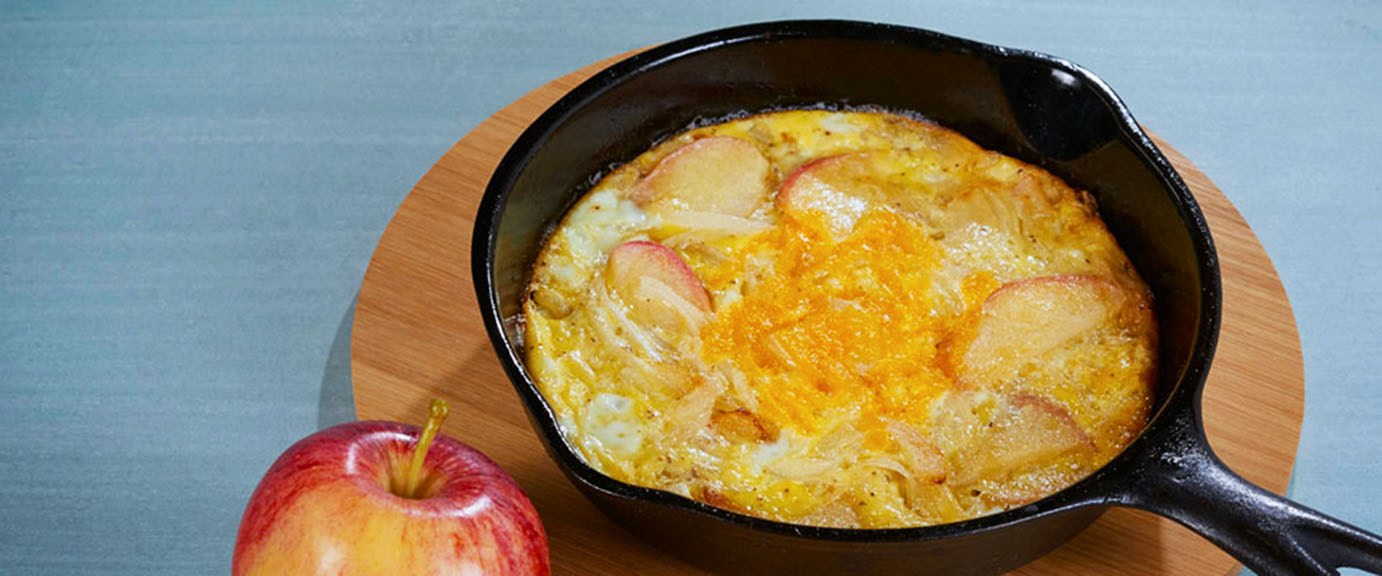
A Gala apple and a sweet onion, softened in butter until the onion turns translucent, sweeten this omelet without any sugar. The eggs set around them in a single ovenproof skillet, and the pan finishes in a hot oven. The whole thing takes about half an hour, and the last ten to twelve minutes are hands off while the omelet bakes.

The Sweetness Here Comes With Fiber Attached

Protein and fat both lengthen how long food stays in the stomach. Three eggs, a little milk, and two tablespoons of cheddar give this breakfast enough of both to matter. The apple’s carbohydrate then leaves the stomach in smaller amounts at a time. The sugar reaches the blood over a longer stretch instead of all at once.

The apple helps for a second reason. Its sugars sit inside intact fruit cell walls, alongside a soluble fiber called pectin, so digestion releases them gradually. Sugar stirred into a bowl of cereal has no cell walls around it, so it digests and absorbs fast.

What’s in a Serving

The protein comes from the eggs, the milk, and the cheddar together. The fiber is almost all from the apple and the onion. Most of the calcium comes from the cheddar and the milk, with some from the eggs. The recipe adds no salt of its own, so the sodium stays low. Most of what is there comes from the eggs, and the cheddar adds the rest.

The butter and the cheddar supply about half the fat and the eggs supply the rest. Buy unsalted butter, since salted butter would add about a quarter again to the sodium. The eggs also give you choline, plus a little vitamin D, which few other breakfast foods contain naturally. The recipe card below has the exact figures.

What to Buy and How to Prep It

The Apple

Jonagold, Gala, and McIntosh all sweeten as they cook and soften into the eggs. A firmer apple such as Honeycrisp or Braeburn holds its shape better if you want distinct slices. The steps have you peel the apple. Leave the skin on instead and you get more fiber and more polyphenols, both of which concentrate in the peel. A thin-skinned Gala softens fine in the pan.

The Onion

A sweet onion, Vidalia or Walla Walla, contains less of the sulfur compounds that taste sharp raw. It cooks down mild in five or six minutes. A yellow onion works and needs a couple of extra minutes. Slice it thin so it softens at the same rate as the apple.

The Eggs and the Cheese

Two tablespoons of shredded cheddar is enough to brown on top and season the whole pan. Sharp cheddar gives you more flavor per tablespoon than mild. Keep the nutmeg even though the amount looks small. An eighth of a teaspoon makes the whole omelet taste sweeter.

Who This Fits and Who Should Go Easy

This suits a blood-sugar-friendly eating pattern: moderate carbohydrate, real fiber, and enough protein and fat to slow how fast you digest the meal. If you count carbohydrate at breakfast, a serving is close to a small bowl of oatmeal.

Go easy on the portion if you are watching saturated fat closely. Between the butter, the cheddar, and three yolks split two ways, this is a richer breakfast than an egg-white scramble. Use a teaspoon of butter instead of a tablespoon, in a small cast-iron or oven-safe nonstick skillet, and the fat comes down.

How to Make It Your Own

For more protein, use two whole eggs plus two whites and add another tablespoon of cheese. For more fiber, leave the apple skin on and wilt a handful of baby spinach into the pan with the onion. A pinch of cinnamon alongside the nutmeg makes it taste sweeter. A pinch of thyme or sage makes it savory. Gruyere or sharp white cheddar both work in place of the cheddar.

The standard swaps for this recipe:

  • Lower sodium: use one tablespoon of cheddar or leave the cheese out. The eggs supply most of what remains.
  • Lower sugar: the recipe has no added sugar, so there is nothing to cut. The sweetness is the apple and the onion.
  • Dairy-free: cook in coconut oil in place of the butter, use an unsweetened plant milk, and leave the cheese out.
  • Nut-free: the recipe is already nut-free as written.

Storing It and Making It Ahead

Cooked eggs keep three to four days covered in the refrigerator. Cut the omelet into wedges, let it cool, and store it in a shallow container so it chills quickly. Reheat a wedge in a covered skillet over low heat for a few minutes, or in the microwave at half power in twenty-second bursts. High heat turns cooked eggs rubbery.

You can also do the slow step the night before. Saute the apple and onion, refrigerate them, and warm the pan again in the morning before the eggs go in. That leaves about five minutes of hands-on work in the morning, plus the bake.

Print Recipe
No ratings yet

Onion Apple Omelet

A skillet omelet with sweet onion and apple cooked into the eggs, then finished in the oven. The apple and onion supply all of the sweetness, so there is no added sugar.
Prep Time10 minutes
Cook Time20 minutes
Total Time30 minutes
Course: Breakfast
Keyword: apple omelet, baked omelet, blood sugar friendly breakfast, onion apple omelet
Servings: 2 servings
Calories: 292kcal

Equipment

  • Ovenproof Skillet
  • Mixing bowl

Ingredients

  • 3 eggs large
  • 1/4 cup milk 1% low fat
  • 1 tablespoon water
  • 1/8 teaspoon black pepper
  • 1/8 teaspoon nutmeg ground
  • 1 tablespoon butter unsalted
  • 3/4 cup sweet onion thinly sliced
  • 1 apple large, peeled, cored, and thinly sliced
  • 2 tablespoons cheddar cheese shredded

Instructions

  • Preheat the oven to 400 degrees F.
  • Peel, core, and thinly slice the apple.
  • Thinly slice the sweet onion.
  • Beat the eggs in a small bowl with the milk, water, black pepper, and nutmeg.
  • Melt the butter in a small ovenproof skillet over medium heat.
  • Saute the onion and apple until the onion is translucent, 5 to 6 minutes.
  • Spread the onion and apple across the skillet in an even layer.
  • Pour the egg mixture evenly over the top.
  • Cook over medium heat until the edges begin to set.
  • Sprinkle the shredded cheddar over the surface.
  • Bake for 10 to 12 minutes, until the center is firmly set.
  • Cut the omelet in half and serve hot.

Notes

Storage: cooked eggs keep three to four days covered in the refrigerator. Cool the wedges and store them in a shallow container. Reheat in a covered skillet over low heat, or in the microwave at half power in twenty-second bursts, since high heat turns cooked eggs rubbery.
Make ahead: saute the apple and onion the night before and refrigerate them. Warm the skillet again in the morning before the eggs go in. That cuts the morning work to about ten minutes.
Apple choice: Jonagold, Gala, and McIntosh all sweeten as they cook and soften into the eggs. A firmer apple such as Honeycrisp or Braeburn holds its shape better. Leaving the skin on adds fiber and polyphenols, and a thin-skinned apple such as Gala softens fine with the skin on.
Lower sodium: use one tablespoon of cheddar or leave the cheese out. The eggs supply most of what remains. Unsalted butter keeps added salt out of the skillet entirely.
Dairy-free: cook in coconut oil in place of the butter, use an unsweetened plant milk, and leave the cheese out.
Higher protein: use two whole eggs plus two whites and add another tablespoon of cheese.
More fiber: leave the apple skin on and wilt a handful of baby spinach into the skillet with the onion.

Nutrition

Calories: 292kcal | Carbohydrates: 20g | Protein: 14g | Fat: 18g | Saturated Fat: 9g | Sodium: 255mg | Potassium: 321mg | Fiber: 3g | Sugar: 14g | Calcium: 201mg | Iron: 1mg | Magnesium: 26mg | Phosphorus: 259mg | Choline: 210mg

Apple and Onion Turn Three Eggs Into a Filling, Blood-Sugar-Friendly Breakfast

An apple and a sweet onion sweeten this omelet with no added sugar, and the eggs supply the protein and fat that slow how fast you digest it. The fat is the tradeoff. Most of it comes from the butter and the cheddar, and you can trim both without losing the dish. Half the skillet is one serving, served hot while the cheese is still soft.

Serve It With

A cup of plain Greek yogurt or a glass of milk alongside raises the protein. A slice of whole-grain toast works when you have room for the carbohydrate. For another egg breakfast built the same way, see Chickpea and Spinach Egg Scramble or Basil Spaghetti Frittata. For the cooked apple at the other end of the day, see Baked Cinnamon Apples for a Warm, Fiber-Rich Dessert.


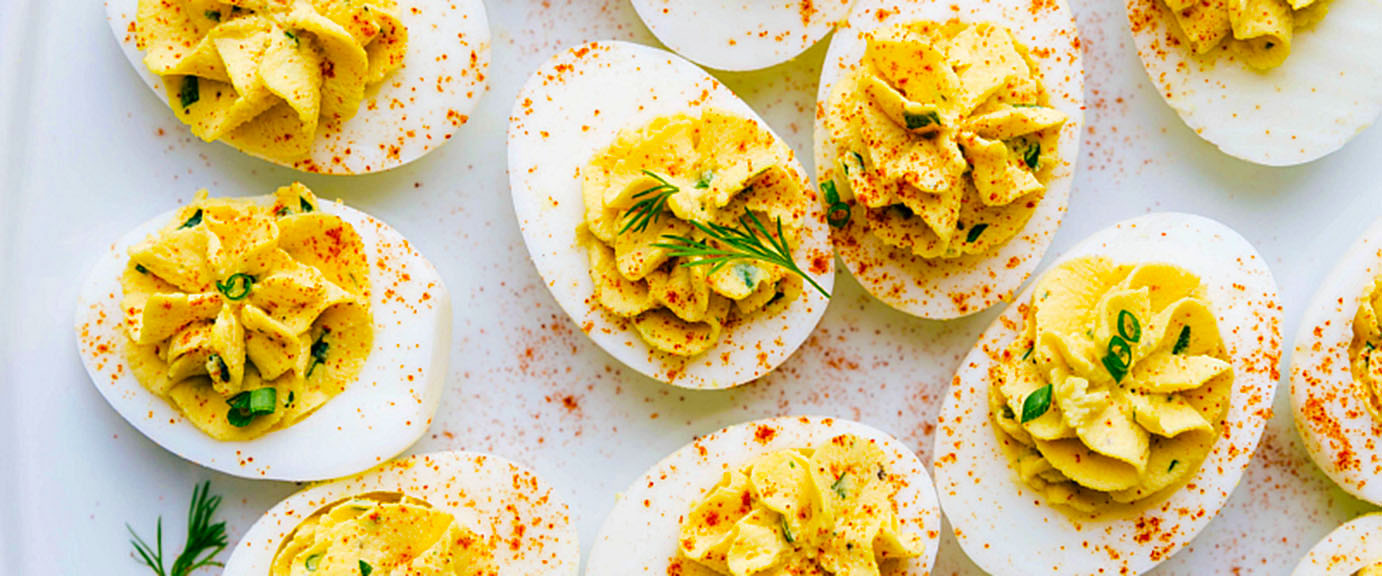
Deviled Eggs

Print Recipe
No ratings yet

Deviled Eggs

Course: Brunch, Snack
Servings: 2
Calories: 137kcal

Ingredients

  • 2 large eggs
  • 2 tsp canned pimento
  • 1/2 tsp dry mustard
  • 2 tbsp mayonnaise
  • 1/2 tsp black pepper
  • 1/8 tsp paprika

Instructions

  • Hard boil the eggs. Drain and cool.
  • Peel the eggs, then cut lengthwise and remove yolk.
  • Dice pimento and mix with yolk, dry mustard, mayonnaise and black pepper.
  • Place mixture inside egg whites in equal parts. Sprinkle eggs with paprika.

Nutrition

Serving: 2halves | Calories: 137kcal | Carbohydrates: 1g | Protein: 6g | Fat: 11g | Sodium: 176mg | Potassium: 66mg | Fiber: 0g | Calcium: 34mg | Iron: 3mg

Egg and Sausage Burritos

Nutrition Snapshot

  • Protein from eggs and turkey sausage plus a high-fiber tortilla makes this a blood-sugar-friendly breakfast.
  • One Sunday session makes eight burritos, so a hot weekday breakfast takes about two minutes.
  • Sausage, cheese, and tortillas all contain sodium, so use the lower-sodium build in the notes if you watch salt.

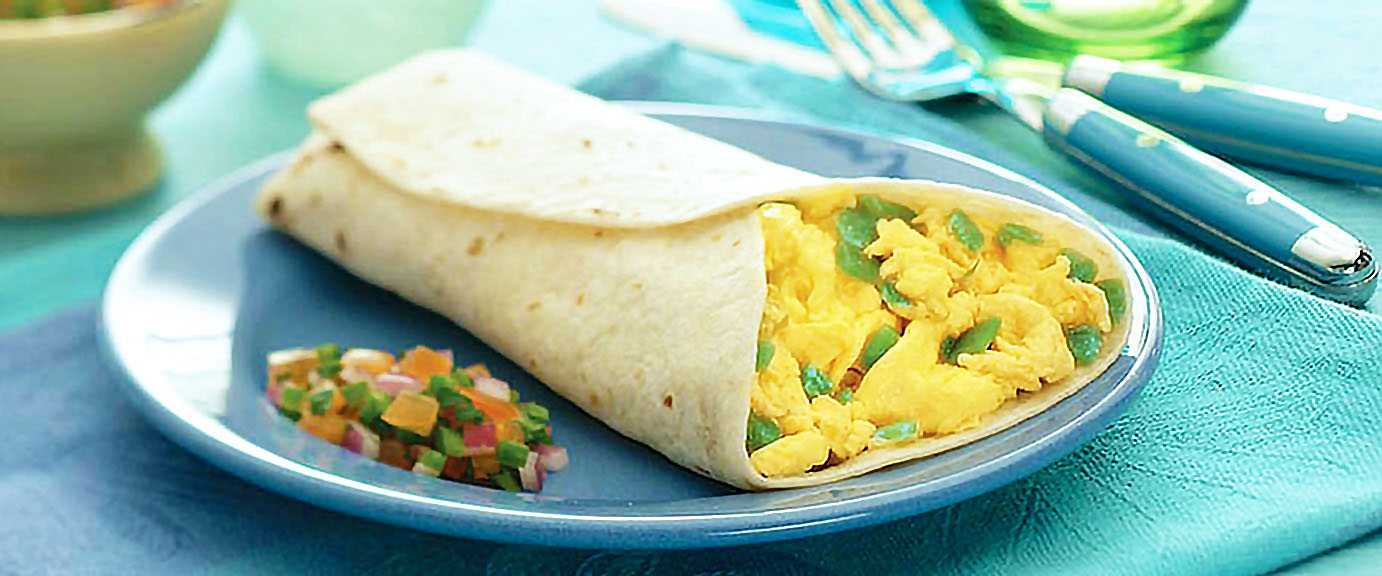
Breakfast is the meal most often skipped or bought on the way to work. You are moving, you are late, and scrambling eggs takes a pan and ten minutes. Making eight burritos on a Sunday afternoon solves that. Each one goes into the freezer wrapped in foil, and each one reheats in about two minutes.

Protein and Fiber Together Slow the Rise in Blood Sugar

Where the Glucose Comes From

The tortilla contains nearly all the carbohydrate in this burrito. Wheat starch is a long chain of glucose molecules. Digestive enzymes break that chain apart in the small intestine, and the glucose crosses into the blood. A white flour tortilla digests fast, which is why blood sugar rises quickly after a bread-based breakfast.

What the Eggs and Sausage Do

Protein and fat slow how fast the stomach empties into the small intestine. Eggs and sausage supply both. The starch then reaches the enzymes over a longer period, so glucose enters the blood more gradually and the peak after the meal is lower. Eating the protein and the carbohydrate in the same meal is what produces that effect.

What the Fiber Adds

Fiber is the part of a plant food that human digestive enzymes leave intact. It takes up part of the flour weight and yields no glucose, so a higher-fiber tortilla contains less available starch than a white one the same size. The soluble kind also thickens the contents of the small intestine, which slows how fast glucose crosses into the blood.

Each effect is modest on its own. Both add to what the eggs and sausage are already doing, which is why the whole burrito matters more than any one part of it.

What’s in a Serving

A serving is one burrito. Twelve eggs, a pound of sausage, and a cup of cheese divide eight ways. Each burrito gets an egg and a half, two ounces of raw sausage, and two tablespoons of cheddar. That much protein and fat makes one burrito a substantial breakfast rather than a snack.

The carbohydrate and nearly all the fiber come from the tortilla, so the brand you buy sets both numbers. Fat comes from the yolks, the sausage, and the cheese. Sodium is the figure to watch, since the sausage, the cheese, and the tortilla each add some. The recipe card below has the exact figures.

What to Buy

The Tortillas

Read the fiber line on the package and pick the highest number you like the taste of. Many whole wheat tortillas list 5 grams or more of fiber apiece, and some low-carbohydrate versions list considerably more. Buy organic (to avoid glyphosate), since wheat is one of the crops often sprayed to dry the field before harvest, and organic growing does not allow it.

The Sausage

Bulk turkey breakfast sausage sits beside the pork version in most stores and contains less saturated fat. Read the sodium on the label, since brands differ widely. Chicken sausage cooks the same way in the pan. Pork breakfast sausage tastes richer and works fine here, with more saturated fat and usually more sodium.

The Cheese

Sharp cheddar gives more flavor per tablespoon than mild, so a cup across eight burritos is plenty. Shred it from a block if you have a few minutes. Pre-shredded cheese comes coated in starch to keep the strands separate, and it melts less smoothly.

The Vegetables

Onion and bell pepper add fiber, potassium, and vitamin C, along with flavor and texture. Frozen diced peppers and onions work here and save the knife work. Cook them until the moisture has left the pan, since a wet filling makes a soggy burrito after freezing.

Who This Fits and Who Should Go Easy

Who It Fits

Anyone working on blood sugar gets protein, fat, and fiber in the same breakfast. That combination is what keeps the morning rise gradual. Anyone who skips breakfast for lack of time gets one that takes two minutes. People building muscle get a protein-heavy breakfast without cooking one.

Go Easy If

Go easy if you are holding sodium down. Sausage, cheese, and a tortilla each add salt, and together they add up quickly on a strict low-sodium plan. The swap below brings the total down substantially. Anyone eating very low carbohydrate should choose a low-carbohydrate tortilla or eat the filling in a bowl.

How to Make It Your Own

Black beans are the easiest addition. A cup of drained organic black beans stirred into the filling adds fiber and plant protein, and it gives you enough filling for two more burritos. Five ounces of spinach wilted into the vegetables adds folate and potassium without changing the flavor much.

Salsa is the other easy upgrade. Half a cup stirred into the filling before rolling adds flavor, and a low-sodium jar keeps the salt down. Drain it first so the filling stays dry. For heat, a diced jalapeno goes in with the onion and pepper.

The Health Swaps in Short

  • Lower sodium: choose a low-sodium or no-salt-added sausage, cut the cheese to half a cup, and buy the lowest-sodium tortilla on the shelf.
  • Lower sugar: this recipe is made without added sugar.
  • Dairy-free: leave the cheese out, and add sliced avocado after reheating.
  • Gluten-free: use a corn or cassava tortilla, and expect a smaller wrap with less fiber.
  • Nut-free: the recipe is nut-free as written.

Make the Batch Ahead: They Keep Three Months Frozen

Cool the Filling First

Let the filling cool for ten minutes before you roll. Steam trapped inside the wrap turns the tortilla soft and soggy in the freezer, and ten minutes on the counter is enough to stop it.

Wrapping and Freezing

Wrap each burrito tightly in foil or parchment, then put them all in a labeled freezer bag with the date. They keep four days in the refrigerator and three months in the freezer. A tight wrap keeps air off the surface, and air is what dries a burrito out over a long freeze.

Reheating

To reheat from frozen, unwrap the burrito, roll it in a paper towel, and microwave it for two to three minutes, turning it over halfway. For a crisp outside, finish it in a dry skillet for two minutes a side. An overnight thaw in the refrigerator brings the microwave time down to about ninety seconds.

Print Recipe
No ratings yet

Egg and Sausage Burritos

Make-ahead breakfast burritos with eggs, turkey sausage, peppers, and onion rolled in a high-fiber whole wheat tortilla. Protein, fat, and fiber arrive with the starch, so the morning rise in blood sugar stays gradual.
Prep Time15 minutes
Cook Time20 minutes
Total Time35 minutes
Course: Breakfast
Keyword: blood sugar friendly breakfast, breakfast burritos, freezer breakfast burritos, high protein breakfast, make ahead breakfast
Servings: 8 servings
Calories: 179kcal

Equipment

  • Large skillet
  • Rubber Spatula
  • Slotted Spoon
  • Cutting board
  • Aluminum Foil
  • Freezer Bags

Ingredients

  • 1 tablespoon olive oil
  • 1 pound turkey sausage bulk breakfast style
  • 1 cup onion diced, yellow
  • 1 cup bell pepper diced, red
  • 12 eggs large
  • 1/4 teaspoon black pepper ground
  • 1 cup cheddar cheese shredded, sharp
  • 8 tortillas organic whole wheat, high fiber, 8 inch

Instructions

  • Heat the olive oil in a large skillet over medium heat.
  • Add the sausage to the skillet.
  • Cook the sausage for 6 to 8 minutes, breaking it apart with a spatula, until no pink remains.
  • Move the sausage to a plate with a slotted spoon.
  • Add the onion and bell pepper to the same skillet.
  • Cook the vegetables for about 5 minutes, until they soften and the moisture has left the pan.
  • Crack the eggs into a bowl.
  • Beat the eggs with the black pepper until the yolks and whites are blended.
  • Lower the heat to medium-low.
  • Pour the eggs into the skillet with the vegetables.
  • Stir the eggs slowly with a rubber spatula for about 3 minutes, until they are just set.
  • Remove the skillet from the heat.
  • Return the sausage to the skillet and stir it through the eggs.
  • Let the filling cool for 10 minutes.
  • Warm the tortillas for 20 seconds in the microwave so they roll without cracking.
  • Divide the filling among the 8 tortillas.
  • Top each one with 2 tablespoons of the shredded cheddar.
  • Fold the sides of each tortilla in over the filling.
  • Roll each burrito up from the bottom.
  • Wrap each burrito tightly in foil or parchment.
  • Refrigerate the burritos, or freeze them in a labeled freezer bag.

Notes

Serving size: 1 burrito. The recipe makes 8.
Look for organic tortillas. Wheat is often treated with glyphosate before harvest to dry the field, and organic wheat is grown without it.
Tortillas: read the fiber line on the package and pick the highest number you like the taste of. Many whole wheat tortillas list 5 grams or more of fiber apiece. A low-carbohydrate high-fiber tortilla works well here too.
Sausage: bulk turkey breakfast sausage contains less saturated fat than pork. Chicken sausage cooks the same way in the pan. Pork breakfast sausage tastes richer and works fine, with more saturated fat and usually more sodium. Sodium differs widely between brands, so read the label.
Cheese: sharp cheddar gives more flavor per tablespoon than mild. Shred it from a block if you have a few minutes, since pre-shredded cheese is coated in starch and melts less smoothly.
Cook the vegetables until the moisture has left the pan. A wet filling makes a soggy burrito after freezing.
Lower sodium: choose a low-sodium or no-salt-added sausage, cut the cheese to 1/2 cup, and buy the lowest-sodium tortilla on the shelf. No salt is added in the recipe itself.
Dairy-free: leave the cheese out and add sliced avocado after reheating.
Gluten-free: use a corn or cassava tortilla, and expect a smaller wrap with less fiber.
Nut-free as written. No added sugar in the recipe.
Variations: stir in 1 cup of drained organic black beans to add fiber and plant protein, which gives you enough filling for 2 more burritos. Wilt 5 ounces of spinach into the vegetables for folate and potassium. Stir 1/2 cup of low-sodium salsa into the filling before rolling, drained first so the filling stays dry. A diced jalapeno goes in with the onion and pepper for heat.
Passive time: allow 10 minutes for the filling to cool before rolling, beyond the total time shown.
Storage: wrap each burrito tightly in foil or parchment, then put them all in a labeled freezer bag with the date. They keep 4 days in the refrigerator and 3 months in the freezer.
Reheating from frozen: unwrap the burrito, roll it in a paper towel, and microwave it for 2 to 3 minutes, turning it over halfway. For a crisp outside, finish it in a dry skillet for 2 minutes a side. An overnight thaw in the refrigerator brings the microwave time down to about 90 seconds.
Nutrition is calculated by WP Recipe Maker. Re-run the calculation after import.

Nutrition

Calories: 179kcal | Carbohydrates: 4g | Protein: 15g | Fat: 11g | Saturated Fat: 4g | Sodium: 440mg | Potassium: 232mg | Fiber: 1g | Sugar: 2g | Calcium: 119mg | Iron: 1mg | Magnesium: 19mg | Phosphorus: 181mg | Choline: 9mg

One Sunday Batch Covers Eight Weekday Breakfasts With Protein and Fiber

Eight burritos take about thirty-five minutes on a Sunday and cover eight weekday breakfasts for one person. Each one supplies protein from the eggs and sausage and fiber from the tortilla, so the morning rise in blood sugar stays gradual. Sodium is the trade-off, and the lower-sodium build in the notes brings it down substantially. Eat one with a piece of fruit and the meal is done.

Serve It With

A piece of fruit or a handful of berries alongside adds fiber and rounds the meal out. For a weekend breakfast you cook fresh, Chickpea and Spinach Egg Scramble works the same protein and fiber angle in a skillet.

For a grain-free wrap to use in place of the tortilla, Cottage Cheese Flatbread folds around this identical filling. For more on why the fiber in the tortilla matters, see Fiber 101: Gut Health, Weight Management, Cholesterol, and More.


Cloud Bread, a Low-Carb Gluten-Free Bread You Make From Eggs

Nutrition Snapshot

  • Cloud bread is made from eggs and cottage cheese, so a serving is very low in carbohydrate and fits a blood-sugar-friendly eating pattern.
  • Eggs and cottage cheese are the whole base, so protein comes with every serving.
  • There is no fiber in it and each round is light, so fill two rounds with something substantial to make a meal.

Gluten-free bread is a hard thing to buy. The loaves are heavy, and slice for slice most carry as much carbohydrate as the bread they replace. Cloud bread comes at it from a different direction. You whip egg whites, fold in a smooth base of yolks and cottage cheese, and bake ten soft rounds that hold a sandwich. The whole recipe is eggs, cottage cheese, cream of tartar, and salt.

Whipped Egg White Gives This Bread Its Structure

Ordinary bread holds its shape because gluten, a protein network that forms when wheat flour is mixed and kneaded, traps the gas that yeast makes. Cloud bread uses the same principle with a different protein. Beating egg whites unwinds their proteins, which then link into a mesh around thousands of air bubbles. The oven sets that mesh, and what comes out is a light round with a soft crumb.

The carbohydrate stays very low because there is no flour, and flour is where the carbohydrate in bread comes from. For blood sugar, the carbohydrate is what counts, and gluten has no direct effect on it. A slice of sandwich bread usually delivers 15 to 20 grams of carbohydrate. Cloud bread delivers a small fraction of that, since the small amount comes from the eggs and the cottage cheese.

What’s in a Serving

A serving here is two rounds, enough for one sandwich. Protein comes from the four eggs and the quarter cup of cottage cheese, spread across the batch. The fat comes from the yolks and the cottage cheese, and the amount is modest.

Carbohydrate is very low, and there is no fiber, since the recipe uses no grains, fruits, or vegetables. Sodium is low and comes from the quarter teaspoon of salt and the cottage cheese. The recipe card below has the exact figures.

What to Buy

The Eggs

Use large eggs and separate them cold, since a cold yolk holds together and breaks less easily into the whites. Then let the whites sit on the counter for 15 minutes. Room-temperature whites whip to a greater volume, which gives you taller rounds. Yolk fat cuts the volume the whites reach, so crack each egg into a small bowl first and keep the whites clean.

The Cottage Cheese

Most cloud bread recipes use cream cheese here. Cottage cheese gives the same body with more protein and less fat. Two percent or whole milk cottage cheese works better than nonfat, which is wetter and leaves the rounds damp in the middle. Blend it with the yolks until the mixture is completely smooth, since whole curds show up as lumps in the finished bread.

Cream of Tartar

Cream of tartar is a mild acid sold in the spice aisle. Acid makes whipped egg white more stable, so a quarter teaspoon keeps the foam holding its air through folding and baking. Use half a teaspoon of lemon juice or white vinegar if you have no cream of tartar.

Who This Fits and Who Should Go Easy

Who It Fits

Cloud bread suits anyone eating low-carbohydrate and anyone avoiding wheat. The recipe uses no wheat, barley, or rye, so it works for celiac disease as long as the cottage cheese and cream of tartar are labeled gluten-free. People who find packaged gluten-free bread dense and dry usually like this better.

Go Easy If

Go easy if you expect the bread itself to fill you. These rounds are light, and the filling is what keeps you full. Anyone building a meal around fiber needs to find it elsewhere, and a side of vegetables or a bowl of soup fills that gap. Anyone who adds honey should count it as added sugar.

How to Make It Your Own

The base is plain on purpose, so it works under savory and sweet fillings alike. For a savory round, beat half a teaspoon of garlic powder and a teaspoon of dried Italian herbs into the yolks. A tablespoon of grated Parmesan gives the same flavor and adds more salt. For a sweeter round, a teaspoon of honey or allulose is enough.

Allulose browns and softens much like sugar, so it behaves well in a baked round. Monk fruit is far sweeter than sugar and usually comes in a 1:1 blend, so follow the package to match the sweetness of the sugar you are replacing. Both add sweetness with little or no sugar, and both raise blood glucose less than sugar does.

The Health Swaps in Short

  • Lower sodium: cut the salt to an eighth of a teaspoon and buy a low-sodium cottage cheese.
  • Lower sugar: the base carries no added sugar. If you sweeten it, use allulose or a monk fruit blend in place of honey.
  • Dairy-free: use a dairy-free cream cheese in place of the cottage cheese, and expect flatter, softer rounds. If you also need nut-free, read the label, since many dairy-free cream cheeses are cashew based.
  • Nut-free: the recipe is nut-free as written.

Make It Ahead: The Rounds Firm Up Overnight

Cloud bread is at its best a day after baking. Fresh from the oven the rounds are fragile and slightly damp inside. Cool them completely on a wire rack, then stack them with parchment or wax paper between each one in an airtight container in the refrigerator. By the next morning they are firmer and much easier to handle.

They keep three days refrigerated and up to a month frozen, with paper between the layers so they separate cleanly. Trapped moisture is what softens them, so leave the container open for a few minutes if condensation collects on the lid. Thirty seconds in a dry skillet, or two minutes in a toaster oven, makes the surface firm again.

Print Recipe
No ratings yet

Cloud Bread

Soft, grain-free rounds made from whipped egg whites and a smooth cottage cheese base. Very low in carbohydrate, gluten free, and firm enough to hold a sandwich.
Prep Time15 minutes
Cook Time30 minutes
Total Time45 minutes
Course: Breakfast
Keyword: cloud bread, cottage cheese cloud bread, gluten free bread, grain free sandwich bread, low carb bread
Servings: 5 servings
Calories: 61kcal

Equipment

  • Hand Mixer
  • immersion blender
  • baking sheet
  • Wire Rack

Ingredients

  • 4 eggs large, separated
  • 1/4 cup cottage cheese small curd, 2 percent or whole milk
  • 1/4 teaspoon cream of tartar
  • 1/4 teaspoon salt

Instructions

  • Heat the oven to 300 degrees F.
  • Line two baking sheets with parchment paper.
  • Separate the eggs, putting the whites in a large clean bowl and the yolks in a smaller one.
  • Let the egg whites stand at room temperature for 15 minutes.
  • Add the cottage cheese and salt to the yolks.
  • Blend the yolk mixture until it is completely smooth, using an immersion blender or a small food processor.
  • Add the cream of tartar to the egg whites.
  • Beat the whites on high with a hand mixer until they hold stiff peaks, about 3 minutes.
  • Stir a third of the whites into the yolk mixture to loosen it.
  • Fold the loosened yolk mixture into the remaining whites gently, until the batter is even in color.
  • Scoop the batter onto the lined sheets in ten rounds, about 4 inches across and 1/2 inch thick.
  • Bake for 28 to 32 minutes, until the tops are golden and spring back when pressed.
  • Cool the rounds on the sheets for 5 minutes.
  • Move the rounds to a wire rack and cool them completely.

Notes

Serving size: 2 rounds. The recipe makes 10 rounds, or 5 servings.
Room temperature whites whip to a greater volume, which gives you taller rounds. Yolk fat cuts the volume the whites reach, so crack each egg into a small bowl first and keep the whites clean.
Cottage cheese: most cloud bread recipes use cream cheese here. Cottage cheese gives the same body with more protein and less fat. Use 2 percent or whole milk rather than nonfat, which is wetter and leaves the rounds damp in the middle. Blend it until it is completely smooth, since whole curds show up as lumps in the finished bread.
Cream of tartar: acid makes whipped egg white more stable, so a quarter teaspoon keeps the foam holding its air through folding and baking. Use half a teaspoon of lemon juice or white vinegar if you have no cream of tartar.
Sweeter version: add 1 teaspoon of honey to the yolk base. For a lower sugar option, use 1 teaspoon of allulose or a monk fruit blend in place of the honey. Allulose measures close to sugar and browns much like it. Monk fruit is far sweeter than sugar and usually comes in a 1:1 blend, so follow the package to match the sweetness of the sugar you are replacing.
Savory version: beat 1/2 teaspoon of garlic powder and 1 teaspoon of dried Italian herbs into the yolk base, or add 1 tablespoon of grated Parmesan.
Lower sodium: cut the salt to 1/8 teaspoon and buy a low-sodium cottage cheese.
Dairy-free: use 1/4 cup of a dairy-free cream cheese in place of the cottage cheese, and expect flatter, softer rounds. If you also need nut-free, read the label, since many dairy-free cream cheeses are cashew based.
Nut-free as written. The base carries no added sugar. The recipe uses no wheat, barley, or rye, so it works for celiac disease as long as the cottage cheese and cream of tartar are labeled gluten-free.
Storage: cool the rounds completely, then stack them with parchment or wax paper between each one in an airtight container in the refrigerator. They are firmer and easier to handle on day two. They keep 3 days refrigerated and up to 1 month frozen.
Reviving: 30 seconds in a dry skillet, or 2 minutes in a toaster oven, brings the surface back.
Passive time: allow about 20 minutes for cooling after baking, beyond the total time shown.

Nutrition

Calories: 61kcal | Carbohydrates: 1g | Protein: 6g | Fat: 4g | Saturated Fat: 1g | Sodium: 199mg | Potassium: 84mg | Sugar: 0.4g | Calcium: 29mg | Iron: 1mg | Magnesium: 5mg | Phosphorus: 86mg | Choline: 105mg

Cloud Bread Gives You a Sandwich With Very Little Carbohydrate

Two rounds hold a sandwich together and raise blood glucose very little. The eggs and cottage cheese bring protein along with the bread, where packaged gluten-free bread is mostly starch. There is no fiber and little bulk here, so the filling is what makes it a meal. Build them with chicken salad, tuna, or eggs and a pile of greens.

Serve It With

Fill these rounds with something substantial. Cool ‘n’ Crunchy Chicken Salad is the natural choice, since it brings the protein and the crunch that soft bread lacks. For another grain-free base to rotate with, Cottage Cheese Flatbread blends whole eggs with cottage cheese and bakes flat on a sheet pan. A weekend plate of Chickpea and Spinach Egg Scramble alongside a round brings fiber to the meal.